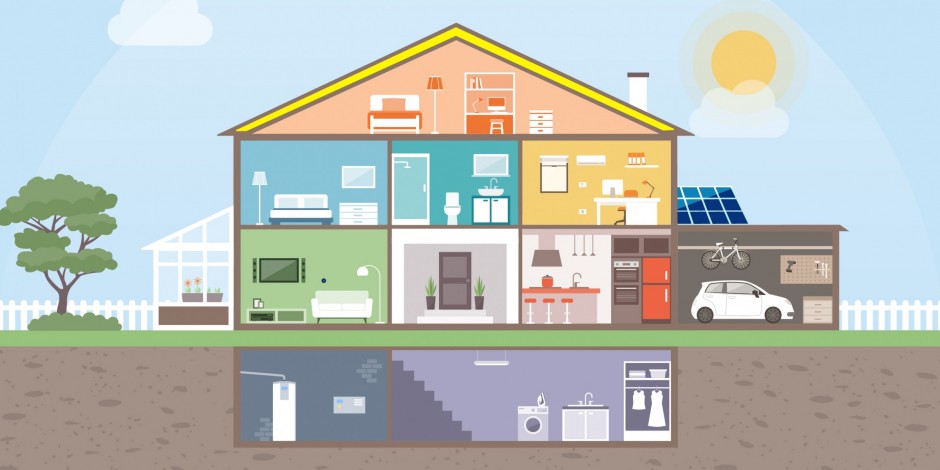
10 Energy-Efficient Upgrades for Your Green Home
Upgrading your home to be more energy-efficient not only reduces your carbon footprint but can also lead to significant savings on your utility bills. Here are 10 energy-efficient upgrades to consider for your green home:
- Install energy-efficient windows that feature double or triple glazing.
- Enhance your insulation to minimize heat loss during the winter and keep your home cool in the summer.
- Upgrade to an ENERGY STAR-rated heating and cooling system for optimal performance.
- Switch to LED lighting throughout your home for longer-lasting and lower energy consumption.
- Incorporate smart home technology to monitor and control energy usage more efficiently.
Continuing with our list of energy-efficient upgrades, here are five more ideas to maximize your home's sustainability:
- Consider installing solar panels to harness the power of renewable energy.
- Implement water-saving fixtures, like low-flow faucets and showerheads, to reduce water consumption.
- Invest in energy-efficient appliances, such as refrigerators and washing machines that bear the ENERGY STAR label.
- Utilize programmable thermostats to optimize heating and cooling schedules.
- Add a green roof or install native plants in your garden to enhance your home's energy performance.
How Green Home Design Can Reduce Your Utility Bills
Green home design is an innovative approach that emphasizes sustainability and energy efficiency, greatly impacting your utility bills. By incorporating elements such as energy-efficient appliances, proper insulation, and renewable energy sources like solar panels, homeowners can significantly reduce their energy consumption. For instance, utilizing LED lighting and smart home technology not only lowers electricity usage but also allows you to monitor and control your energy usage more effectively, leading to substantial savings over time.
Additionally, the placement of windows and the choice of materials play a crucial role in green home design. By optimizing natural light and ventilation, you can decrease the reliance on artificial lighting and air conditioning. A well-planned landscape using native plants can also contribute to lower water usage and maintenance costs. In summary, adopting green design principles not only benefits the environment but also translates into lower utility bills, making it a win-win situation for homeowners.
Is Investing in a Green Home Worth It?
Investing in a green home can be a decision that yields significant returns both financially and environmentally. With rising energy costs, energy-efficient features can lower monthly utility bills, making a green home a wise long-term investment. Moreover, many solar installations and energy-efficient appliances often come with tax incentives, which further enhance the overall savings. Homebuyers are increasingly aware of the benefits of sustainable living, leading to higher demand and potentially increased resale value for eco-friendly homes. Is investing in a green home worth it? The answer may very well be a resounding 'yes' when you consider the financial gains and positive environmental impact.
Aside from financial benefits, green homes contribute positively to overall wellness. Properties built with sustainable materials typically involve better air quality and utilize resources more efficiently. These homes also promote a lifestyle that prioritizes health and sustainability, which can appeal to a growing demographic conscious of their carbon footprint. Furthermore, investing in a green home can provide peace of mind, knowing you are contributing to a healthier planet for future generations. Ultimately, the decision to invest in a green home not only holds potential for personal gain but also aligns with a broader commitment to environmental stewardship.